Experienced Window Fixing: Revive Your Home's Aesthetic Appeal and Performance
Expert glass restoration plays an essential role in maintaining a home's appearance and functionality. It solves common challenges such as drafts and condensation that compromise energy efficiency. Many homeowners often miss damage signs, not aware of potential risks. Understanding the benefits of professional repair results in significant enhancements in both appearance and energy savings. What things should be evaluated before making this essential choice?
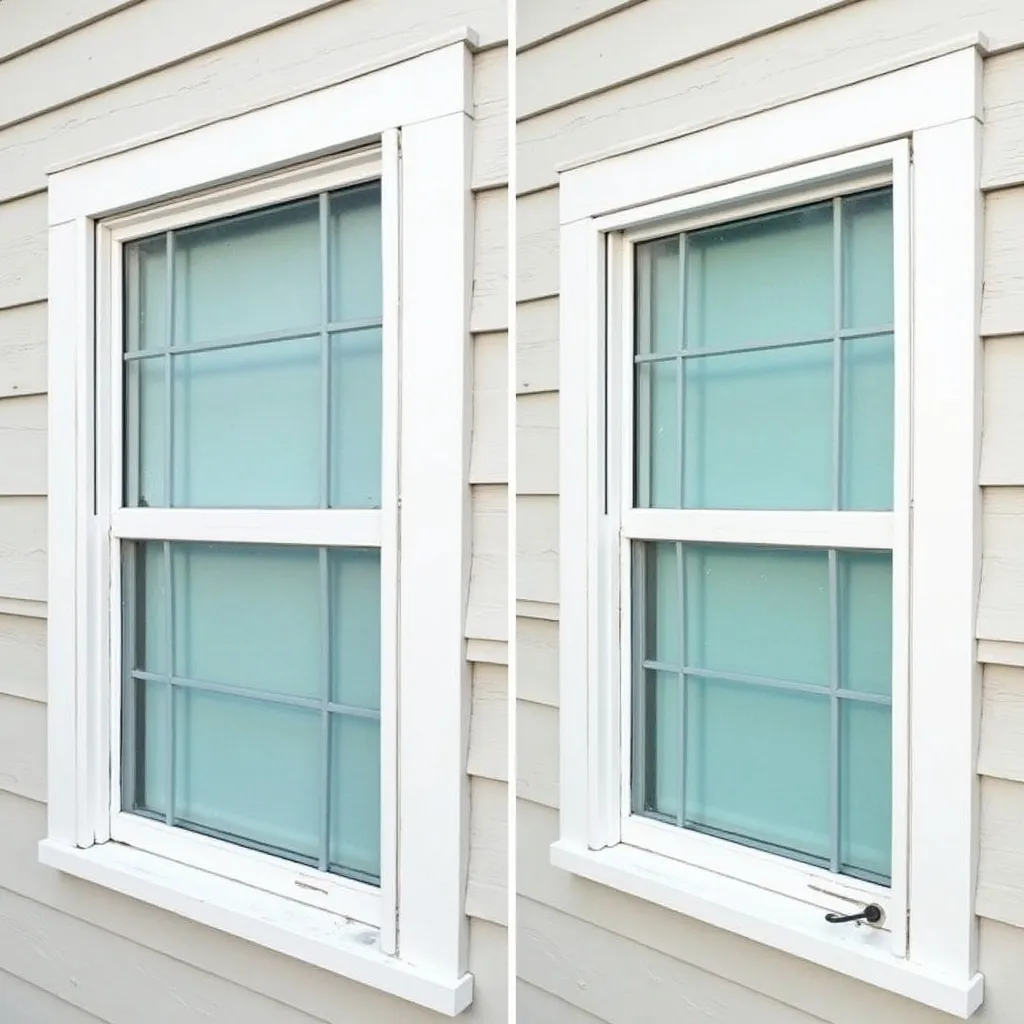
Clues That Suggest You Should Consider Window Fixing
Windows act as both a barrier and a gateway, and their condition has a direct impact on a home’s comfort and efficiency. Homeowners need to be vigilant for several signals that indicate window repair is necessary. A common symptom is the presence of cold air, which can imply gaps in seals or frames. Condensation forming between glass panes demonstrates a failure in insulating ability, while visible cracks or chips in the glass can weaken both looks and safety. Also, difficulty in opening or closing windows may reflect problems with the hardware or frame alignment. Another major indicator is the presence of water stains or mold around the window, which may cause further damage if not fixed quickly. Routine inspections and upkeep can help catch these issues early, guaranteeing that windows stay functional and add positively to the home’s overall environment. Noticing these signs can prevent more serious repairs down the line.
Damaged Windows and Their Influence on Your House
When homeowners neglect broken panes, they may unknowingly compromise the safety and comfort of their home. Windows that are broken or improperly sealed can cause drafts, permitting cold or hot air to enter the home, which disrupts indoor thermal balance. This not only causes unease but also raises energy costs as heating and cooling systems work harder to sustain desired temperatures.
Furthermore, faulty windows can create safety hazards, as they may fail to ensure adequate security against unauthorized entry. Additionally, visible deterioration can reduce a home's overall look, detracting from curb appeal and potentially affecting property value. Water seepage through cracks or gaps can lead to mold growth, which poses health risks to occupants. Overall, the impact of damaged windows extends beyond simple appearance, affecting comfort, safety, and long-term structural integrity. Homeowners should emphasize window repair to preserve their home conditions and enhance their home's value.
How Expert Window Fixing Increases Curb Appeal and Power Efficiency
Neglected windows not only jeopardize safety but also lower a home's aesthetic value and thermal performance. Professional window repair addresses these concerns, enhancing both aesthetics and functionality. By replacing cracked or fogged glass, experts recover a transparent sight, permitting natural light to illuminate interiors and boost the overall mood. Carefully maintained frames and trim also contribute to a unified exterior, boosting property appeal.
Regarding operational economy, restored window frames cut down on air infiltration and heat loss, producing reduced climate control bills. Certified specialists assure adequate weatherization and thermal barriers, which minimizes unnecessary power usage. This not only provides financial advantages to homeowners but also aids in environmental sustainability. Ultimately, investing in skilled window maintenance revitalizes a home's charm while fostering a superior indoor comfort space. Using this mix of aesthetic upgrade and financial savings, homeowners can appreciate both quick returns and lasting rewards.
What Affects the Price of Window Restoration?
A variety of factors greatly influence the cost of window maintenance. The type and learn now material of the window, the extent of the deterioration, and the associated labor and installation expenses all function as critical factors in calculating the final price. Understanding these aspects can assist homeowners make informed decisions about their maintenance requirements.
Window Style and Composition
The type and material of a window substantially affects the cost of repair. Different window types, such as double-hung, casement, or sliding, have different components and mechanisms, which can affect parts and labor expenses. Material selection is crucial; wooden frames may require more extensive maintenance and specialized skills, while vinyl and fiberglass are often easier and less expensive to repair. Additionally, the performance properties of certain materials may require specialized repairs or replacements, further impacting costs. Overall, learning about the link between window type and material can allow homeowners to allocate budgets more strategically for necessary repairs, ensuring both aesthetic appeal and operating efficiency are maintained.
Extent of Destruction
Comprehending window types and materials used lays the groundwork for determining repair costs, while the severity of damage is a major factor that can greatly impact pricing. Minor problems, like minor cracks or weather stripping failures, can typically be repaired without much expense. On the other hand, extensive damage, such as shattered glass or warped frames, may necessitate major repairs or even full replacements, considerably increasing costs. Additionally, the location of the damage plays a significant role; damage to windows that are difficult to access may call for specific gear, further raising expenses. The window's overall age and condition also play a part in the repair decision, because aging windows might not support successful repairs. Ultimately, assessing the extent of damage is key to an accurate cost evaluation.
Labor and Installation Costs
Labor and installation costs play an essential role in determining the overall expense of window repair. Various factors determine these costs, including the model of windows being repaired, the complexity of the job, and the local labor market rates. Skilled labor, often needed for intricate repairs, can command higher wages, impacting the overall cost. Furthermore, the geographic location can heavily influence pricing; urban areas generally have higher labor costs compared to rural regions. Seasonal demand also contributes, as repairs may cost more during peak renovation seasons. Homeowners should seek multiple estimates to secure competitive pricing and consider the long-term benefits of professional installation versus DIY solutions, which might result in hidden costs.
When Choosing Professional Repair is Better to DIY
When should property owners consider enlisting expert assistance for window restoration rather than tackling the task themselves? The choice often depends on several factors. To start, if the damage involves complex issues such as broken frames, cracked glass, or malfunctioning mechanisms, expert knowledge is advisable. Specialists have the expertise and equipment required to ensure a safe and effective restoration.
Additionally, homeowners lacking experience in window installation or repair might unintentionally worsen the problem, leading to higher expenses. For older or historic windows, the need for expert expertise becomes even more critical to maintain their integrity.
Additionally, if safety concerns arise—like working at heights or moving heavy loads—professionals should be given precedence. Ultimately, whenever the repair task is beyond standard maintenance or poses threats, choosing a trained technician is often a prudent investment in the home’s charm and productivity.
How to Find the Right Window Repair Expert
How can property owners guarantee they select the best window repair professional? To start, they should seek recommendations from friends, family, and online reviews to find trustworthy professionals. Checking certifications and insurance is crucial, as it ensures the professional is qualified and safeguards property owners from potential liabilities.
Next, gathering multiple bids allows examination of expense and provisions, assisting in steer clear of excessive charges. Homeowners should question the specialist's track record, particularly with the type of window in question needing repair, as competence can greatly affect the quality of work.
Additionally, open communication is essential; a capable specialist will listen to worries and supply detailed explanations. Finally, checking warranties on both work and materials can offer confidence concerning upcoming problems. By adhering to these steps, homeowners can confidently choose a window repair professional who addresses their needs and enhances their property's beauty and performance.
The Window Repair Steps: What to Prepare For
The frame fixing approach encompasses several important stages that residents should understand. Initially, a detailed evaluation is carried out to identify the issues at hand. Subsequently, various repair techniques are implemented, ending with a quality check to confirm proper working order and quality.
Preliminary Analysis Procedure
Assessing a window’s condition is the vital first step in the repair process. A qualified technician evaluates various components, including the frame, sash, and glass. They look for damage indicators such as cracks, rot, or warping, which can affect both appearance and functionality. Moreover, the technician inspects for air leaks and moisture intrusion, which can cause energy inefficiency. Precise measurements are made to ensure that any replacement parts will fit correctly. The inspector usually reviews the results with the homeowner, offering insights about potential repair options and associated costs. This detailed assessment lays the groundwork for the following steps, confirming that the repair process is customized to the particular needs of the window in question.
Discover restoration approaches with this comprehensive summary
During the initial assessment, the window repair work includes a wide variety of techniques tailored to manage the exact problems found. Common approaches include applying sealants to address drafts, glass replacement for cracked or shattered panes, and adjusting components to maintain normal operation. In situations of deteriorating frames, restoring or replacing wood may be needed to restore structural support. In addition, weather strips can be applied to boost energy performance. Every technique is picked based on the severity of the damage and the type of window. Trained technicians employ specific tools and substances to execute these fixes productively, ensuring that the windows regain their aesthetic appeal and also increase the overall efficiency of the home.
Final Inspection Procedures
Completing the window restoration procedure results in a detailed final inspection to ensure all problems have been addressed effectively. This step includes checking the functionality of each window, ensuring they function properly and lock smoothly. Technicians examine the seals for any openings or moisture intrusion, confirming that insulation is in good condition to enhance thermal performance. Additionally, they evaluate the aesthetic aspects, ensuring that the restorations integrate smoothly with the original framework. Any noticeable flaws or inconsistencies are fixed at this stage. Finally, a thorough review of the work done is performed, enabling homeowners to ask questions and obtain advice on maintenance. This meticulous final inspection guarantees that the repaired windows not only look good but also operate effectively in the long term.
Frequently Asked Questions
What Is The Typical Timeframe For Window Repair Service?
Repairing windows generally takes between one to three hours, depending on the amount of damage and type of window. Complex repairs or various windows may extend the timeframe, requiring meticulous evaluation by the technician.
Is it Feasible to Fix My Windows in Winter?
Yes, window units can be repaired in winter. However, cold temperatures may affect certain materials and adhesives, possibly lengthening the process. Proper preparation and supplies suitable for low temperatures can guarantee effective repairs during this season.
Which Substances Are Typically Employed in Window Maintenance?
Common materials used for window repairs feature glass, weatherstripping, sealants, putty, and wood or vinyl frames. These components provide reliable operation, insulation, and beauty, allowing for effective recovery and maintenance of windows in multiple conditions.
Will Window Repair Minimize Outside Noise?
Yes, window repair can significantly decrease external sound. By sealing gaps and replacing damaged components, fixed windows enhance insulation, creating a barrier that minimizes sound intrusion and improves overall comfort within the home.
Do I have to prepare My Home Prior to Repairs?
Yes, preparing the home prior to repairs is vital. This consists of clearing the area around the windows, making access convenient for contractors, and removing any fragile items to prevent damage during the repair process.